
Even when summer fades, it’s still possible to enjoy fruits’ flavor and nutrients, because several are still in season as the weather starts changing. When you have an inflammatory bowel disease (IBD), such as Crohn’s disease or ulcerative colitis (UC), though, you may need to modify how you prepare fruits to make them more digestible, and fall selections are no different.
[1]
“Because of that, preparation is key, particularly peeling the fruit and then cooking, since that can break down the fiber and make that food easier to digest.”Using this method, you can enjoy fall fruits with a lower risk of experiencing symptoms. Here are five to consider, along with ideas on how to prepare them.
1. Apples
[2]
[3]
Also, particularly when cooked, mashed, or pureed, apples have a great deal of natural sweetness that can satisfy a craving for sugary treats, says Nayana George, MD, a gastroenterologist at Orlando Health Digestive Health Institute in Florida.
“That’s helpful because sugar consumption can lead to inflammation for those with IBD, which increases risk of flares,” she says. “Substituting something healthy like apples can feel like a treat without risking IBD symptoms.”
How to Prepare It Apple peels may contain too much fiber for the digestive tract to handle when you have IBD, so a peeled apple is a better choice, says Dr. George. Also, baking the fruit for 20 to 30 minutes at 450 degrees F gives it a softer consistency and makes it more digestible. Try sprinkling a little cinnamon and nutmeg on it before baking for more fall flavor.
2. Pears
[4]
“Options like pears that include plant compounds like polyphenols, [which] help reduce inflammation, can support gut health in a significant way,” says Castro.
How to Prepare It As with apples, peeling pears first reduces their fiber content and makes them more digestible, says George. You can bake them the same way, too. For more flavor, try drizzling with some vanilla extract or maple syrup. You can also briefly puree cooked pears for an applesauce-like treat.
3. Cranberries
[5]
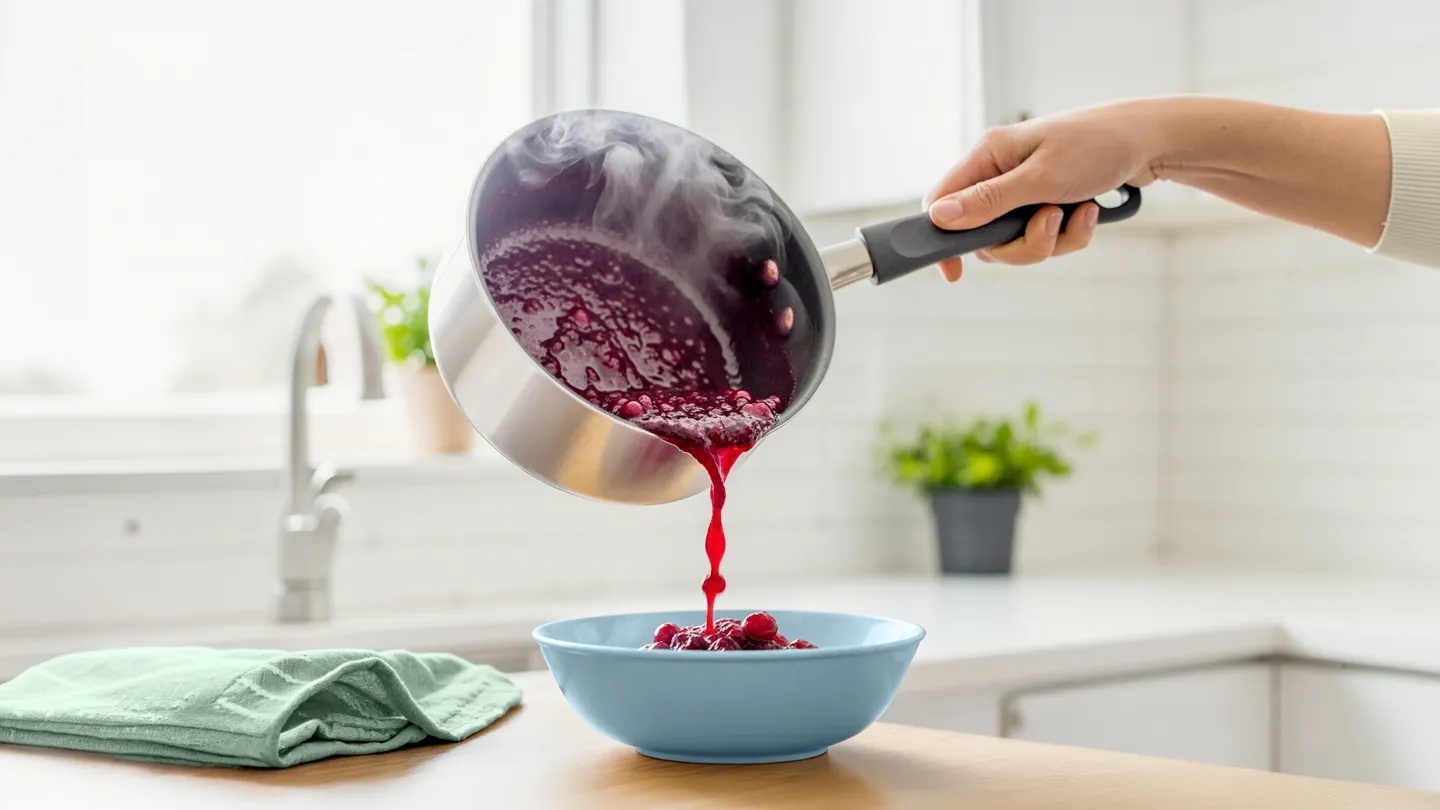
Cranberries have been shown to be effective for preventing a specific bacteria, called Helicobacter pylori, from attaching to the stomach lining, which is important for people with IBD because it means a lower risk of stomach inflammation and gastrointestinal distress, George says.
[6]
4. Pumpkins
[7]
[8]
How to Prepare It Remove the tough outer skin and seeds, which can be too fibrous for people with IBD to digest, and cut pumpkin into small cubes, says Castro. From there, you can bake, boil, or steam the pieces and then mash them, similar to mashed potatoes. Use a pinch of cinnamon or maple syrup for flavor if you prefer.
5. Bananas
[9]
[1]
How to Prepare It Although bananas can be baked the same way as other fall fruits, you can safely eat them raw after peeling, Castro says. You can also freeze banana slices and then puree them in a blender or food processor, which creates a soft-serve ice cream consistency.
Tips for Enjoying Fall Fruits
Because IBD affects everyone differently, there may be one or two options on this list that don’t work for you even if they’re cooked, low-sugar, and peeled. That’s why it’s helpful to keep a food diary (or use a nutrition app) and pay attention to how certain fruits are affecting you, says Castro.
Other tips from Castro include:
- Expand your fruit choices when you’re in remission, rather than when you’re in an active flare.
- Introduce new fruits one at a time, so you can identify potential trigger foods.
- During a flare, canned fruit in juice (rather than syrup) may be tolerated if you don’t have time to cook your fruits.
- Choose ripe, soft fruits whenever possible, even if you plan to cook them.
In general, adding more fruit into your diet can help you increase your consumption of key vitamins and minerals, and provide fiber that’s often easy for people with IBD to digest, particularly when cooked.